
How One British Prince Changed American Menswear
The impact of a British prince
David Aisosa
9/14/20254 min read
The Rise of Edward, Prince of Wales
Edward, the Prince of Wales, emerged as a pivotal figure in the early 20th century, a time characterized by significant socio-political upheaval and cultural evolution. Born on June 23, 1894, he was the eldest son of King George V and Queen Mary. Growing up in a royal household, Edward was educated privately, which laid the foundation for his future as a public figure. However, it was his charismatic personality and unorthodox approach to royal duties that distinguished him from his predecessors.
During the 1920s, the world was undergoing transformative changes, including the aftermath of World War I and the onset of the Roaring Twenties. This dynamic socio-political climate allowed Edward to carve a unique niche for himself. Rejecting the rigid confines of royal expectations, he embraced a more relaxed lifestyle and preferred mingling with the upper echelons of society, including artists, socialites, and celebrities. His ability to transcend traditional royal boundaries made him a breath of fresh air in the monarchy, allowing him to resonate with the public.
As he captivated the media and public with his charm and charisma, Edward became the most photographed man of his time. His penchant for fashion and a keen sense of style made him an influential figure in menswear. Attending lavish events and engaging in memorable public appearances, he effectively promoted a refined yet relaxed image that inspired many. This shift not only redefined the expectations of royal fashion but also contributed to a broader acceptance of innovative menswear in American culture. Hence, Edward's rise in prominence signalled a turning point, impacting not only royal representation but also changing the landscape of men's fashion, which would reverberate across the Atlantic.
Fashion Innovations and Influences
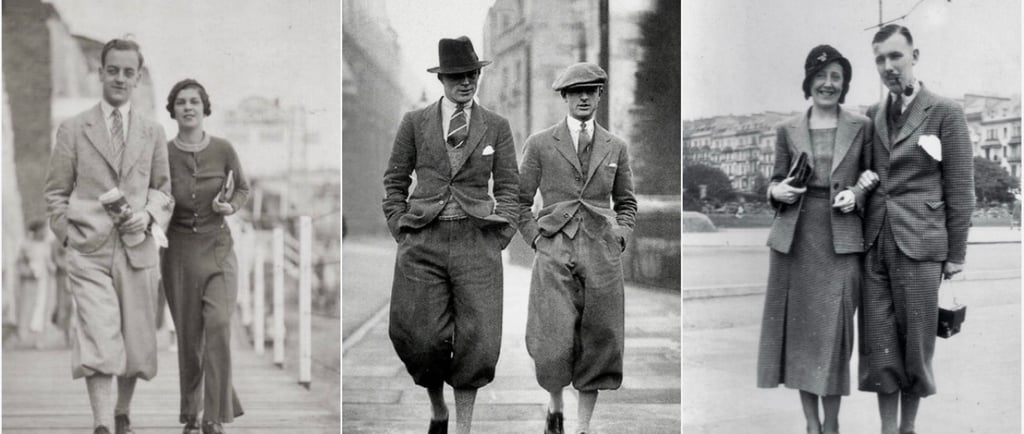
Edward, the British prince, emerged as a pivotal figure in the evolution of menswear, introducing a range of innovations that daringly challenged the conventional styles of his time. His approach to fashion was characterized by a preference for relaxed suits that diverged from the rigid tailoring of the early 20th century. These suits embodied a softer silhouette, promoting comfort while maintaining elegance, thereby appealing to the modern man of his era and beyond.
One of Edward's most notable contributions to menswear was the popularization of the sport jacket. This versatile garment allowed men greater flexibility in their wardrobes, suitable for both casual and semi-formal occasions. The sport jacket typically featured innovative materials and patterns, setting the stage for a more relaxed and expressive style. Edward’s affinity for fun patterns, such as houndstooth and plaid, encouraged the embracing of bold aesthetics in men’s fashion.
Moreover, his attention to detail extended to the accessories he favored. Edward often incorporated items such as scarf ties and pocket squares, which added a personal touch to his ensembles. These accessories not only enhanced the overall appearance but also allowed men to showcase their individuality within the constraints of traditional menswear.
Edward’s collaborations with prominent tailors and designers played a vital role in his fashion journey. By working closely with these artisans, he influenced the introduction of various materials, including tweed and flannel, into everyday wear, merging practicality with style. His keen interest in textiles and patterns encouraged a departure from the prevailing monochromatic styles, making room for more vibrant, textured garments in both British and American fashion.
Overall, Edward's innovations helped shape the modern male silhouette, paving the way for a more relaxed, yet sophisticated approach to men's fashion. His legacy continues to resonate in contemporary menswear, reflecting his lasting impact on style and identity.
The Transatlantic Impact
Prince Edward, the Duke of Windsor, significantly transformed American menswear in the early 20th century, leaving an indelible mark that resonated across the Atlantic. His style, characterized by tailored suits, bespoke details, and a relaxed elegance, captivated American fashion enthusiasts and musicians alike. As Prince Edward traveled and interacted with American society, his distinct sartorial choices made a bold statement, encouraging American designers and retailers to embrace British aesthetics in menswear.
The reception of Edward's fashion in the United States was overwhelmingly positive. Prominent American designers such as Brooks Brothers and Ralph Lauren found inspiration in his tailored looks. They began to incorporate elements of British style, such as houndstooth patterns, checks, and more fitted silhouettes, appealing to a growing consumer base eager for refined styles. This marked a notable shift towards adopting a more sophisticated approach to menswear, demonstrating how British influences could be successfully adapted for American tastes.
The cultural implications of this trend were profound. During a time of rapid social change, the embrace of British fashion represented a blend of appreciation for European elegance and a burgeoning sense of Americana. Fashion icons like Cary Grant and Frank Sinatra often emulated Prince Edward's polished yet relaxed styles, further solidifying the transition towards a new era in American menswear. The Duke’s penchant for leisure suits and casual elegance encouraged men to adopt a stylish yet approachable image that resonated deeply within American culture. As Edward’s influence permeated various social strata, American menswear began to reflect a newfound sophistication that was both stylish and accessible, bridging the gap between opulence and practicality.
Legacy and Continued Relevance
The legacy of Edward, Duke of Windsor, in American menswear remains profound and far-reaching. His sartorial choices and unique blend of elegance and masculinity have paved the way for contemporary men's fashion, influencing numerous designers and brands. Edward's distinctive approach to style was characterized by an effortless blend of classic tailoring and innovative patterns, which has manifested in modern collections that prioritize both comfort and sophistication.
One of the most significant elements of Edward's influence is his embrace of relaxed tailoring, a departure from the rigid styles prevalent in earlier decades. This shift has become increasingly relevant as contemporary menswear trends favor versatility and comfort without sacrificing refinement. Designers often cite Edward's penchant for casual elegance as a foundational principle that has been incorporated into today's interpretations of fashionable menswear. According to renowned designer Ralph Lauren, "The Duke of Windsor showed us that style is more than clothing; it's a way of expressing oneself." Such sentiments echo across the industry, as many creative minds strive to capture the essence of his aesthetic in their work.
Furthermore, Edward's approach challenged traditional notions of masculinity in fashion, encouraging men to adopt a more expressive and individualized style. His daring use of color, texture, and accessories defied the conventions of his time, establishing a paradigm where personal expression is not merely accepted but celebrated. This transformation has birthed a contemporary fashion landscape where gender norms are increasingly fluid, allowing men to experiment with their wardrobes and redefine their identities through clothing.
Thus, the Duke of Windsor's impact resonates in modern menswear, as his style continues to shape discussions about contemporary masculinity and elegance in fashion. His legacy emphasizes the importance of individuality and expression, ensuring that the principles he championed remain firmly planted in the fabric of today's fashion industry.